The Real ROI of the Room: Ranking America's Web3 Conference Circuit by What It Actually Produces
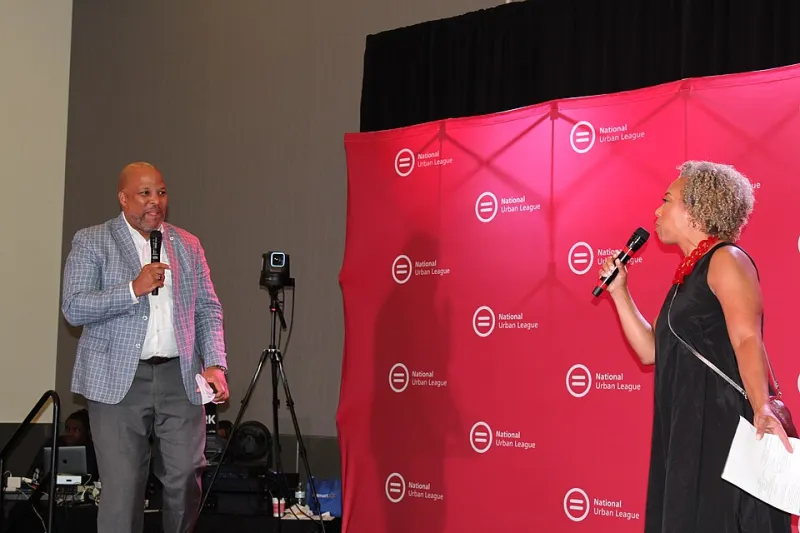
Photo: Danielle G. Campbell, CC BY-SA 4.0, via Wikimedia Commons
Every Web3 founder eventually faces the same spreadsheet: conference badges, flights, hotels, and the nagging question of whether any of it converts into anything. The industry's event economy runs on optimism and FOMO. This article runs on something else—founder reports, investor interviews, and a simple metric: what did you actually get?
We surveyed founders across pre-seed to Series B about their last twelve months on the US circuit, asking for concrete outcomes—investor meetings that led to term sheets, hires sourced, partnerships signed—and dividing by total cost. The rankings below reflect value per dollar, not production value per square foot.
Tier One: Where the Ratio Still Works
ETH Denver (Denver, CO). Still the best deal-flow-per-dollar event in America. The main conference is free or low-cost, side events carry the real weight, and the density of builders relative to marketers is unmatched. Founders consistently report hiring outcomes here—engineers who attended as individuals and joined teams within weeks. Budget: $1,500–2,500 all-in if you skip the hotel party circuit.
Token2049 side events and associated satellite programming. The badge is expensive; the hallway is where the round gets closed. US-based investors increasingly treat the American-adjacent editions and their satellite scenes as concentrated office hours. The tactic that works: book investor meetings before you land. Walking the floor hoping for serendipity produces swag, not capital.
Regional ETH meetups and university-adjacent hackathons (ETHGlobal events in particular). Small, cheap, and disproportionately productive for pre-seed founders. A $400 weekend that produces three angel conversations beats a $6,000 badge that produces none. Several of the strongest pre-seed pipelines we heard about started at a hackathon demo table, not a main stage.
Tier Two: High Cost, Conditional Returns
Consensus (Austin, TX). The institutional money is genuinely here—TradFi crossover, policy people, later-stage capital. For a Series A founder with a working product, Consensus can justify itself. For a pre-seed team, it is mostly an expensive lesson in being early to rooms you are not yet ready for.
Mainnet (New York City). Excellent technical credibility with the Messari-adjacent institutional crowd. Strong for founders whose buyers are funds and protocols rather than retail. Weak for consumer-facing teams. New York costs add up fast; plan two dense days, not four.
Solana-focused and ecosystem-specific summits. If you build in that ecosystem, these are mandatory—nearly every active investor and core team member is in one building. If you do not, skip them entirely. Ecosystem events are the most binary value proposition on the circuit.
Tier Three: The Swag Trap
The largest US crypto conferences—those with tens of thousands of attendees, sponsor halls the size of airport terminals, and headline keynotes by celebrities—consistently scored lowest on outcomes per dollar. The problem is structural: investor-to-tourist ratios, noise, and the sheer difficulty of having a real conversation in a crowd. Founders reported spending $8,000–15,000 for, in one founder's words, "a lot of stickers and one useful conversation I could have had on a Zoom call."
Working the Circuit on a Bootstrap Budget
For founders raising on a lean balance sheet, the playbook is clear:
-
Skip the main badge; buy the side-event circuit. Most investor gatherings at major conferences are satellite events with free or cheap registration. Lists of these circulate on Twitter/X and Telegram weeks in advance.
-
Book meetings before arrival. A conference without a pre-built calendar is a vacation. Ten scheduled coffees transform your ROI.
-
Volunteer or speak. Many events comp tickets for volunteers, judges, and panelists. A five-minute demo slot outperforms a $3,000 booth.
-
Split lodging with your team. Denver and Austin are drivable for large swaths of the country; hotel costs are the biggest controllable line item.
-
Measure honestly. Track every introduction against follow-up outcomes for 90 days. If an event did not produce at least one qualified conversation per $1,000 spent, it does not belong on next year's calendar.
The Bottom Line
The US Web3 conference circuit is not a scam, but it is a market—one with efficient pricing on attention and wildly inefficient pricing on rooms. The founders who win treat events as concentrated business development weeks with a calendar built in advance, not as brand exercises with a badge attached. Spend where the builders are, measure ruthlessly, and let someone else fund the swag.